

The surface exposed to the concrete of formwork ought to be smooth. For which a oil is used on the internal surface of the formwork. Formwork ought to be strong enough to preserve its form without too much contortion.
Formwork For Beam of light
After the concrete has actually healed and acquired enough strength, the formwork can be gotten rid of. Make sure to comply with the recommended healing time before getting rid of the formwork to avoid any damage to the freshly formed light beams. Get rid of the formwork slowly and methodically to avoid any type of unexpected changes or disturbances. With the formwork panels and supports in position, it is time to put the concrete right into the formwork.
Interpretation of Formwork
Formwork is a critical part in the building and construction of concrete frameworks, particularly for beam of lights. It functions as a short-lived mold that shapes and supports the concrete till it sets, ensuring the preferred structural stability and design. By providing a specified space for the concrete and enabling it to heal under optimal conditions, formwork plays an essential duty in attaining accurate dimensions and coatings. Different sorts of formwork materials and systems are used depending on the certain requirements of the job, contributing to the overall performance and high quality of building and construction.
The passage formwork system is really beneficial for recurring space layout. Aluminium formwork is really quickly, easy and economical. Type connections are normally constructed from steel, although some fiber-reinforced plastic ties can also be utilized. There is a wide variety of wire connection types and producers' rated tensile job capabilities.
Function of Formwork
Formwork describes the temporary or long-term molds utilized to form and support concrete until it hardens and gets enough strength. In the context of beam building, formwork plays an important role in ensuring that the concrete is placed accurately and preserves the desired shape throughout the curing process.
Compare this with the requirement to saw timber to dimension and nail theappropriate areas with each other each time one might require beamformwork for a brand-new project. Formwork for beam of lights and slabs plays a critical function in making sure the structural stability of a building. By adhering to the pertinent IS codes and complying with ideal practices, building and construction specialists can attain precision, performance, and safety in their projects.
The primary purposes of formwork for beams consist of:
- Supplying architectural assistance to hold wet concrete in position.
- Guaranteeing dimensional precision and positioning of beams.
- Promoting secure and efficient putting of concrete.
- Allowing for a smooth surface finish on the concrete beam.
- Allowing easy gain access to for employees throughout the building and construction process.
- Ensuring the safety and security of the building website by stopping collapses or failures during healing.
Types of Formwork
Formwork is a momentary or irreversible mold utilized to include poured concrete till it establishes and obtains sufficient toughness. In the context of beam of lights, formwork plays a vital duty fit the concrete to achieve desired measurements and structural stability. Different kinds of formwork can be used depending on the project needs, materials used, and the desired surface of the concrete surface area.
One usual sort of formwork is typical lumber formwork, which uses wood boards and panels to develop the mold and mildew. This method is frequently favored for its schedule and simplicity of personalization for different shapes and sizes.
An additional type is industrialized formwork, made from materials like steel or aluminum. This type uses longevity and reusability, making it suitable for massive jobs where numerous pours are called for.
Plastic formwork is likewise getting popularity, particularly for smaller sized projects and residential constructions. It is light-weight, simple to manage, and resistant to wetness, allowing for quick setting up and disassembly.
For even more intricate beam forms or geometries, slipform and jumpform systems are employed. These techniques enable constant pouring of concrete and are often utilized in high-rise buildings or infrastructure projects, supplying efficiency and lowered labor expenses.
Picking the appropriate sort of formwork is essential for ensuring the smooth execution of the building process and attaining the preferred architectural performance for the light beam.
Materials Utilized in Formwork for Beams
Formwork for beam of lights is a crucial part in the construction procedure, supplying the required support and shape during the treating of concrete. More Help made use of in formwork play a considerable function in figuring out the top quality and effectiveness of the light beam building and construction. Typically composed of timber, steel, or plastic, each product provides distinct benefits and considerations, affecting aspects such as resilience, convenience of assembly, and cost-effectiveness. Recognizing Go Here is vital for achieving optimum lead to light beam building and construction tasks.
Wood Formwork
Formwork is an essential part in the building of concrete beams, offering the needed assistance and form during the healing process. Among the various materials made use of in formwork, wood formwork is specifically preferred because of its convenience, availability, and simplicity of handling. Below are some vital elements and sorts of materials generally used in wooden formwork for beams.
- Plywood: Typically used for its toughness and smooth coating, plywood is a favored selection for producing the formwork walls.
- Timber Beam Of Lights: Strong lumber beams can be used to mount the formwork, offering additional assistance for bigger frameworks.
- Engineered Timber Products: Laminated veneer lumber and comparable materials use boosted performance and security, reducing the danger of bending.
- Kind Liners: These are put on the inner surface area of the formwork to accomplish certain textures or patterns on the concrete light beam.
- Dental braces and Supports: Wooden or steel dental braces might be utilized to secure the formwork in position, ensuring it holds up against the stress of the damp concrete.
Utilizing these materials successfully guarantees the integrity and high quality of the concrete light beam once the formwork is gotten rid of, causing an effective building project.
Steel Formwork
Formwork plays a vital role in the building and construction of light beams, giving the necessary assistance and shape throughout the concrete setting procedure. Numerous products can be utilized in formwork systems, each with distinctive properties that fit various project needs.
Steel formwork is one of the most generally used products as a result of its longevity and stamina. It is produced from top notch steel sheets, which can endure the high pressures put in by wet concrete. The rigidity of steel formwork allows for precise shapes and sizes, making certain that the beam measurements satisfy the structural specifications. In addition, steel formwork is multiple-use, which can cause cost savings over several jobs.
Another advantage of steel formwork is its ability to produce smooth surfaces, minimizing the requirement for substantial completing work on the concrete beams. This feature boosts the visual charm and can add to the structural performance of the light beams. Furthermore, steel formwork systems can be developed to fit numerous building and construction strategies, including those needed for precast and in-situ concrete beam of lights.
While steel formwork needs a greater preliminary investment than other products, its long life and reusability usually make it an affordable alternative with time. Proper maintenance and handling are vital to guarantee the formwork remains in good condition for repeated use. On the whole, steel formwork is a reliable choice for creating robust and specifically dimensioned concrete light beams in construction projects.
Aluminum Formwork
Formwork is a crucial element in the construction of beam of lights, offering the needed shape and assistance while concrete collections. Various products are used for formwork, each offering one-of-a-kind advantages. Amongst the most preferred options are wood, steel, and aluminum. Each product offers different attributes, making them ideal for certain applications.
Aluminum formwork, specifically, has gained substantial popularity in modern-day building. Its lightweight nature makes it simple to deal with and transfer, which can result in lowered labor prices and faster setup times compared to conventional materials. Additionally, aluminum formwork is extremely durable and resistant to deterioration, making certain a much longer life expectancy and much less upkeep. This formwork system additionally provides precision in dimensions, causing accurate and uniform beam forms.
One more benefit of aluminum formwork is its reusability. Unlike conventional wood formwork, which might deteriorate after multiple usages, light weight aluminum can be reused sometimes, supplying cost savings in large jobs. With the added benefit of offering outstanding surface area coating, aluminum formwork is perfect for tasks where visual high quality is critical.
In recap, aluminum formwork is an efficient and effective selection for beam of light construction. Its mix of lightweight homes, toughness, and cost-effectiveness makes it a recommended choice in modern concrete building jobs.
Plastic Formwork
Formwork is a necessary part in the construction of beams, providing short-lived structures that support concrete till it cures and gains enough toughness. Numerous products can be utilized for formwork, each with its own benefits and possible drawbacks. Among these products, plastic formwork has gotten popularity because of its distinct properties. This kind of formwork offers a lightweight, long lasting, and reusable alternative that can lead to significant expense financial savings in building tasks.
- Lightweight: Plastic formwork is substantially lighter than traditional materials like wood or metal, making it easier to deal with and carry.
- Resilient: It is resistant to wetness, deterioration, and chain reactions, which boosts its longevity in numerous weather.
- Reusable: Plastic formwork can be recycled numerous times without substantial degradation, contributing to sustainability initiatives in building.
- Versatile Designs: Offered in various sizes and shapes, plastic formwork can accommodate intricate light beam layouts and geometries.
- Reduced Labor Prices: The simplicity of managing and installation can bring about much shorter building and construction times and a reduction in labor expenses.
By making use of plastic formwork, professionals can attain reliable beam building while also gaining from the countless advantages that this product offers.
Layout Considerations for Beam Formwork
Designing formwork for beams needs mindful factor to consider of numerous factors to make certain structural stability, safety, and effectiveness throughout building and construction. This procedure entails examining the load-bearing capacity, choosing suitable materials, and establishing the sizes and shape of the formwork. Furthermore, factors to consider such as simplicity of assembly and dismantling, surface finish, and recycle prospective play vital functions in the total design. By dealing with these components, designers can create trustworthy formwork systems that facilitate the effective completion of beam of light structures.
Load-Bearing Capacity
When developing formwork for light beams, several crucial factors to consider have to be thought about to ensure optimum load-bearing capacity and architectural integrity. The primary function of formwork is to produce a short-lived mold and mildew that will certainly support the concrete up until it gets to adequate strength. This includes comprehending the lots that the formwork will certainly require to birth, consisting of the weight of the concrete itself, building and construction loads, and any type of extra pressures from equipment or workers working with the framework.
Materials made use of in formwork has to be completely robust to endure these loads without contortion or failure. Usual choices include plywood, steel, or light weight aluminum, each offering distinctive advantages in regards to weight, toughness, and reusability. The thickness and setup of the formwork panels need to be thoroughly determined based upon the period of the light beam and the awaited tons, making certain that there is minimal deflection and no risk of collapse.
Another essential element is the support system for the formwork, which may include props, shoring systems, or dental braces. These assistance elements need to be purposefully put to evenly disperse tons and stop activity throughout the treating procedure. Correct placement and protecting of the formwork are crucial, as any type of misalignment can bring about abnormalities in the light beam's shape and strength.
In addition, consideration has to be offered to the concrete curing process, as the formwork design ought to enable adequate accessibility for assessment and ending up. The timing of removing the formwork is also vital; it must continue to be in place until the concrete has actually achieved sufficient strength to sustain itself without danger of deformation.
Lastly, security aspects can not be overlooked. The style ought to accommodate secure working conditions for laborers, reducing dangers associated with formwork assembly, upkeep, and removal. Implementing these design factors to consider properly will lead to a successful beam building that meets architectural efficiency requirements.
Waterproofing
When making formwork for beam of lights, a number of crucial factors to consider come into play to make certain architectural integrity, performance, and sturdiness. The selection of products for formwork is important; choices often include plywood, steel, or light weight aluminum, each offering different benefits in regards to expense, stamina, and reusability. The measurements and geometry of the beam of light have to be very carefully measured and shown in the formwork design to account for load-bearing needs and any kind of reinforcement that will certainly be integrated within the light beam itself.
One more substantial facet is the bracing of the formwork. Appropriate bracing aids keep the shape and placement throughout the concrete putting process, avoiding any type of unwanted deformation. This is particularly vital for beam of lights, as any type of imbalance can result in structural weak points that may jeopardize the integrity of the whole construction.
Waterproofing is also an essential consideration in beam of light formwork layout. Making sure that the formwork is properly waterproofed protects against moisture from permeating into the concrete mix, which could endanger the treating process and cause damaged concrete. Water resistant membranes or layers can be put on the formwork surfaces to offer an obstacle against dampness infiltration, specifically in areas where the light beams are subjected to high degrees of water or humidity.
Additionally, the approach of concrete pouring contributes in developing the formwork. Techniques such as making use of chutes, pumps, or vibrators should be taken into consideration to guarantee an even circulation of concrete. The formwork has to permit very easy gain access to and appropriately support the weight of the concrete up until it sets.
Finally, effective beam formwork layout calls for a disciplined method that accounts for products, bracing, waterproofing, and putting methods. These factors to consider make sure that the beam of lights are not just created successfully but also stand the test of time in their desired applications.
Thermal Insulation
When creating formwork for light beams, a number of crucial considerations must be taken into account to make certain the structural stability, thermal efficiency, and general efficiency of the building and construction. Reliable beam formwork not only sustains the concrete throughout curing however additionally contributes to the thermal insulation residential properties of the structure.
Among the main factors in the layout of light beam formwork is the load-bearing capability. The formwork needs to be structurally durable to hold up against the weight of damp concrete, as well as any type of additional load from building and construction tasks. Utilizing high-strength materials and making certain that the formwork is correctly braced will aid stop deformation and misalignment during the putting procedure.
Thermal insulation is an additional essential facet to think about during beam of light formwork layout. Insulation assists preserve the temperature of the healed concrete, reducing the danger of thermal cracking. Protecting materials can be incorporated into the formwork design, or blankets can be made use of post-pour to keep ideal healing problems. The choice of insulation products ought to consider their thermal resistance, resilience, and compatibility with the formwork system.
Additionally, convenience of setting up and disassembly of the formwork is a crucial style consideration. Formwork systems must be developed for efficient installment and elimination to lessen labor prices and time on website. Modular systems or prefabricated parts can improve versatility and speed of building and construction while guaranteeing correct alignment and support for the beam of light.
Finally, attention needs to be given to the surface area coating of the light beam. The formwork design need to help with a smooth coating to reduce the demand for extra therapies or repair services post-pour. Making use of ideal lining materials or finish techniques can assist attain the wanted surface area top quality.
In summary, effective style factors to consider for beam formwork encompass structural stability, thermal insulation, simplicity of usage, and surface area finish, every one of which add to the total success of the construction project.
Relieve of Setting Up and Taking down
Designing formwork for beams needs mindful factor to consider of different aspects to ensure convenience of setting up and taking down, while likewise keeping architectural stability and security. Among the key considerations is the option of products, which need to be light-weight yet strong sufficient to support the tons throughout the treating procedure. Correct material selection can considerably minimize the quantity of labor required for setting up and dismantling.
Another important element is the layout of the formwork system itself. Modular systems, which integrate standardized parts, can enhance the assembly procedure, allowing teams to set up and take down kinds effectively. This modularity likewise helps with placement and makes certain that the light beams are developed to precise measurements, lowering the threat of mistakes throughout installment.
Relieve of access is essential for both setting up and taking down. Creating formwork that permits scaffold access or integrating built-in handles and lift factors can enhance performance. Additionally, incorporating features such as interlacing joints or snap-fit connections can decrease the demand for tools and speed up the procedure.
Separate factors must be strategically located to make certain that the formwork can be dismantled without too much pressure, hence reducing the danger of damaging the concrete. Attention to the weather conditions throughout the whole procedure can additionally influence the convenience of dismantling; products that are resistant to sticking in moist problems or that can be conveniently released when dried are optimal.
Last but not least, safety must be a priority. Designing formwork with secure bases, guardrails, and appropriate supporting can stop mishaps during both assembly and disassembly. Making sure that all parts are lightweight and convenient also reduces the danger of bone and joint injuries among employees.
Building Techniques
Formwork for light beams is a vital facet of construction techniques, playing a crucial function in defining the shape and support of concrete frameworks. This short-lived framework enables the risk-free and precise putting of concrete, guaranteeing that beams achieve the preferred stamina and toughness. Different products, such as wood and steel, can be utilized to create formwork, each offering distinct advantages and challenges. Understanding the different kinds of formwork and their applications is necessary for optimizing building and construction procedures and ensuring architectural stability.
Prep work of the Site
Constructing beam of lights is an important facet of large building jobs, requiring careful prep work and implementation, specifically when it involves formwork. Formwork functions as a short-lived mold and mildew that holds the concrete in position till it sets, making certain that the beams develop the proper form and structural integrity. The preparation of the website and the exact setup of formwork is crucial for an effective building and construction outcome.
- Website Assessment: Before any kind of construction job, the website has to be examined for dirt type, drain, and any type of underground utilities that can influence the placement of beams.
- Excavation: Depending upon the design, excavation may be essential to ensure that the beams are secured listed below frost lines and have a strong base.
- Setting Up Reference Details: Developing exact reference factors making use of leveling tools makes certain that the formwork will certainly be straightened correctly, preserving the required measurements.
- Material Choice: Select proper materials for formwork, such as plywood or steel, to support the weight of the wet concrete and factor in the duration of use.
- Setup of Formwork: Thoroughly set up the formwork, making sure that it is protected and can stand up to the stress exerted by the wet concrete.
- Waterproofing and Sealing: Use sealers to stop leakage of concrete, which can result in irregular surfaces and compromise the architectural honesty of the beam of light.
When the formwork is safely in position, it is vital to evaluate it thoroughly prior to putting concrete to stay clear of any structural issues down the line. Correct preparation and attention to detail throughout this phase cause even more durable and trustworthy beams that meet layout requirements.
Establishing the Formwork
Formwork is a crucial part in the building of concrete light beams, supplying the necessary assistance and shape throughout the treating procedure. Properly setting up the formwork makes certain that the beam attains the preferred measurements and structural integrity. The first step in establishing formwork entails choosing the proper materials, which can vary from wood, steel, or plastic, depending on the project's needs and budget.
Once the materials are picked, the following action is to ensure that the foundation where the formwork will be put is steady and level. This is important as any kind of abnormalities in the base can lead to a misaligned beam of light. After preparing the website, the formwork panels are reduced and assembled according to the beam of light's particular measurements. It's important to make sure that the formwork is safely supported and sustained to hold up against the weight of the wet concrete.
In addition to the architectural assistance, specific attention must be provided to the joints of the formwork. Proper securing at the joints is required to avoid concrete leakage, which can bring about contamination of the finished item. As soon as the form is set up, it should be lined up and secured, making certain that it remains plumb and degree throughout the pouring procedure. Use leveling gadgets and measuring tools can assist attain precise alignment.
Prior to putting the concrete, the indoor surface areas of the formwork are frequently treated with a launching agent. This makes certain easy elimination of the formwork once the concrete has actually healed. Finally, it's important to check the formwork thoroughly for any issues or weaknesses that might endanger the beam's top quality. With tactical and carried out formwork, the result will certainly be a strong, resilient concrete light beam that meets the detailed specs.
Support Positioning
Formwork for beam of lights is an important aspect of building, giving the required assistance and shape for concrete till it obtains adequate strength to sustain itself. The option of proper formwork products, including timber, steel, or plastic, can considerably influence the quality and performance of the work. Correct layout and setting up of the formwork need to take into consideration the weight of the concrete, ecological conditions, and the called for finish of the beam.
When the formwork is established, the following action includes reinforcement placement, which is vital for the structural honesty of the beam. Generally, steel rebar is utilized as a result of its high tensile toughness. Effectively positioning the rebar according to architectural layout specs helps resist tensile forces within the beam of light. It's vital to keep ideal cover to protect the reinforcement from corrosion, which can vary depending on direct exposure conditions.
The placement of support need to adhere to neighborhood building ordinance and methods, guaranteeing that bars are properly located and protected to stay clear of any kind of activity when concrete is poured. Spacers and supports are often utilized to keep the appropriate positioning and cover of the rebar throughout the concrete pouring procedure. This careful interest to detail throughout both formwork construction and reinforcement placement eventually adds to the longevity and security of the finished structure.
Concrete Pouring
Formwork for beams plays a crucial function in the building and construction procedure, giving short-term assistance and shape till the concrete hardens. The choice of suitable materials and style for formwork is important to ensure architectural honesty and dimensional precision of the light beams.
Commonly, timber has been the most widely utilized material for formwork as a result of its availability and ease of adjustment. Nonetheless, with innovations in technology, alternatives such as steel and light weight aluminum are gaining popularity. These materials supply higher toughness and reusability, which can cause set you back savings over multiple projects.
The layout of the formwork need to think about the weight of the concrete, the height of the beam of light, and the environmental conditions. Effectively created formwork minimizes the danger of warping or failing during the pouring procedure. Additionally, formwork must be placed and safeguarded precisely to maintain the preferred shape and alignment of the beam of light.
Before pouring the concrete, it is very important to clean up the formwork to make sure a smooth coating and remove any type of debris that can affect the bonding of the concrete. Release agents may also be related to stop the concrete from sticking to the formwork, helping with less complicated removal once the concrete has treated.
When the formwork prepares, concrete is poured very carefully to avoid excessive resonance, which can bring about partition of the materials. It's important to make use of the right mix design for the concrete to achieve the necessary stamina and sturdiness of the ended up beam of light. After pouring, the concrete should be enabled to heal appropriately, ensuring optimal strength development before the formwork is gotten rid of.
To conclude, efficient formwork design and construction are essential in guaranteeing the success of light beam putting operations. Detailed planning and execution throughout this phase can considerably improve the overall high quality and performance of the concrete frameworks.
Formwork Stripping
Formwork is a vital component in the building of light beams, supplying the necessary support and shape to the concrete up until it sets and achieves enough strength. The style and implementation of formwork need to be carefully intended to make certain architectural integrity and complete high quality. Reliable formwork systems are based upon the size and complexity of the light beam, as well as the buildings of the concrete mix being used.
The process of formwork removing describes the removal of the formwork after the concrete has healed effectively. Timing is necessary in this stage, as early removing can result in deformities or structural weak points in the beam. Typically, formwork can be removed as soon as the concrete reaches an established toughness, usually around 70% of its layout stamina, which normally takes place within 24 to 2 days after putting. However, environmental conditions such as temperature and humidity may affect this timeline.
Before stripping, the site must be checked to make certain that the concrete has actually correctly established which there are no indications of distress such as breaking. The removing process should be accomplished carefully; utilizing strategies that prevent unexpected impacts or excessive stress and anxiety on the freshly developed light beam. Typically, regulated sequences of formwork elimination permit modern lots launch, reducing the danger of damage.
Furthermore, it is very important to adhere to supplier standards for formwork products, as various systems may have special requirements for stripping. Properly developed formwork systems can boost the effectiveness of the building procedure, contributing to cost savings and far better overall job scheduling. Post-stripping, further ending up works, such as surface treatments or the application of protective layers, might be required to guarantee the longevity and visual quality of the beam.
Usual Obstacles in Light Beam Formwork
Beam of light formwork is a necessary element of building, supplying the needed assistance for concrete till it reaches the required stamina. However, this process often runs into numerous difficulties. Issues such as misalignment, poor support structures, and the complicated geometry of beam of lights can result in complications that affect the quality and safety and security of the end product. Recognizing these usual difficulties is vital for construction specialists to ensure the performance and efficiency of their formwork systems.
Uneven Surface areas
Beam of light formwork is an important element of concrete construction, primarily giving the necessary assistance and forming for concrete beams during the curing process. Nonetheless, countless difficulties can occur during the installment and administration of beam formwork, particularly when handling irregular surface areas. These uneven problems can make complex the formwork setup, bring about potential architectural concerns if not dealt with effectively.
- Misalignment: Unequal surface areas can cause misalignment of the formwork, causing light beams that do not fulfill style specifications.
- Raised Labor Expenses: Additional time and labor may be called for to adjust and level the formwork on unequal terrain.
- Inadequate Assistance: If the formwork is not safely sustained on unequal surfaces, it might lead to drooping or contortion throughout concrete pouring.
- Water Accumulation: Irregular ground can trap water near the formwork, which can impact the healing procedure and bring about structural weaknesses.
- Jeopardized Safety And Security: Workers might encounter boosted threats of slips and falls on uneven surface areas, threatening website safety.
Resolving these obstacles calls for mindful preparation and implementation, including choosing ideal materials, employing flexible formwork systems, and making sure proficient labor to adapt to site conditions properly.
Concrete Leak
Light beam formwork is a crucial aspect of concrete building, offering the essential support and form for concrete until it achieves sufficient strength. However, a number of challenges can develop throughout this procedure, particularly worrying concrete leakage. Effective administration of these challenges is essential for guaranteeing structural integrity and accomplishing a top notch coating.
One of the key challenges in beam of light formwork is the possibility for concrete leak during the pouring procedure. This frequently happens when the formwork is not effectively secured, resulting in a loss of material that can endanger the structure's toughness and stability. Appropriate securing methods, consisting of the use of suitable materials and comprehensive examinations of joints, can mitigate this risk.
Another usual problem is the inappropriate placement of formwork panels, which can create spaces or misalignments that enable concrete to escape. Ensuring that formwork is appropriately positioned and safeguarded before pouring is essential in protecting against leakage. Routine monitoring during the concrete positioning can also assist identify any kind of arising leakages that require instant focus.
Ecological variables, such as temperature level fluctuations and humidity, can add to concrete leak too. Rapid treating can trigger contraction splits that may cause voids in the formwork. Utilizing suitable curing approaches and materials can help in reducing such issues and preserving the stability of the beam of light formwork.
Lastly, the experience and ability of the building and construction team play a considerable role in minimizing concrete leak. Training and preparing employees to acknowledge and attend to prospective issues proactively can greatly enhance the general efficiency of the beam formwork procedure.
Formwork Failing
Beam formwork is an important element of building and construction, supplying support and form to concrete till it treatments and gains sufficient stamina. However, numerous difficulties can arise throughout the process, resulting in prospective failings that can endanger structural integrity and security.
One usual challenge is improper layout or selection of materials. If the formwork is not designed to endure the lots it will certainly face, consisting of the weight of the damp concrete, it can bring about contortion or collapse. This is particularly crucial in beams, where the load-bearing capacity is vital for the general security of a structure.
An additional problem is poor supporting and support. Beam of light formwork calls for added support to withstand lateral stress and avoid buckling. If the supporting is insufficient or improperly set up, it can cause shifts or complete failing throughout the pouring procedure.
Temperature level and ecological conditions can likewise present obstacles when utilizing light beam formwork. High temperatures can trigger rapid dissipation, causing fracturing in the concrete, while low temperatures can postpone healing. Both circumstances can influence the formwork's efficiency, resulting in problems in the ended up item.
Moreover, employee experience and training play a crucial duty in the success of beam of light formwork. Unskilled employees may not effectively analyze the threats or may overlook safety measures, enhancing the opportunity of failures. Regular training and proper guidance are important to alleviate this risk.
Ultimately, inadequate site problems, such as irregular ground or inadequate water drainage, can result in instability and compromised formwork. Making sure that the foundation is degree and enables adequate drain is vital for the durability and efficiency of the formwork system.
Addressing these difficulties via cautious preparation, design, and execution can considerably reduce the risk of formwork failing, ultimately bring about much safer and much more dependable building and construction techniques.
Climate condition
Beam formwork is a crucial element in the building and construction of structures, making it possible for the creation of beam of lights that support loads and provide structural integrity. Nonetheless, numerous common difficulties occur during the procedure, specifically concerning climate condition. Negative climate can dramatically affect the performance and performance of beam of light formwork installment and elimination.
One major difficulty is managing rainfall. Wet problems can cause the weakening of products used in formwork, such as wood or steel, compromising their architectural honesty. Additionally, damp concrete can take longer to cure, influencing job timelines and raising labor costs. To alleviate this, home builders typically carry out protective coverings or timetable job to decrease exposure to rainfall.
Severe temperature levels likewise pose difficulties. High temperatures can create rapid evaporation of water from damp concrete, leading to concerns such as cracking or deteriorated stamina. Alternatively, winter can slow down the curing procedure, making it essential for professionals to make use of insulating coverings or ingredients to maintain the ideal temperature level. These precautions add intricacy to the formwork procedure however are crucial for making sure the quality of the final product.
Wind is an additional variable that can interfere with beam formwork procedures. Strong winds can cause instability in the formwork, particularly when it comes to taller structures or huge panels. This can lead to safety threats and potential damage to products. To neutralize this, building contractors may require to use added supporting or securing remedies to secure the formwork versus wind pressures.
Generally, managing weather-related difficulties in beam formwork requires mindful preparation and insight. Recognizing exactly how different weather conditions influence building processes permits teams to carry out the necessary strategies to shield products and make sure structural stability, eventually contributing to the effective completion of the project.
Best Practices for Beam Formwork
Reliable light beam formwork is important for making certain structural honesty and general building and construction efficiency. Making use of ideal methods in formwork design and application not only boosts the top quality of the completed light beams but additionally improves the construction procedure. This article will discover necessary techniques and techniques that building specialists can take on to enhance their formwork systems, reduce labor costs, and lower the dangers of mistakes during the casting and treating stages.
Routine Evaluations
Reliable light beam formwork is essential in making sure the honesty and safety of concrete structures. To achieve optimal results, the execution of ideal techniques and routine evaluations is important throughout the formwork process. These steps aid in protecting against prospective failings and maintaining quality control.
Among the very best practices for beam of light formwork is to ensure correct product choice. It is essential to use high-grade materials that can hold up against the weight of the concrete and any type of extra loads that might be used. Additionally, products need to be devoid of flaws and have enough toughness to give the essential support during the healing procedure.
Accurate dimensions and accurate positioning are likewise important in formwork installation. Every element must be determined carefully to make certain that the beam of light's measurements satisfy layout specifications. Imbalance can cause architectural flaws, so utilizing level tools and alignment tools is advised.
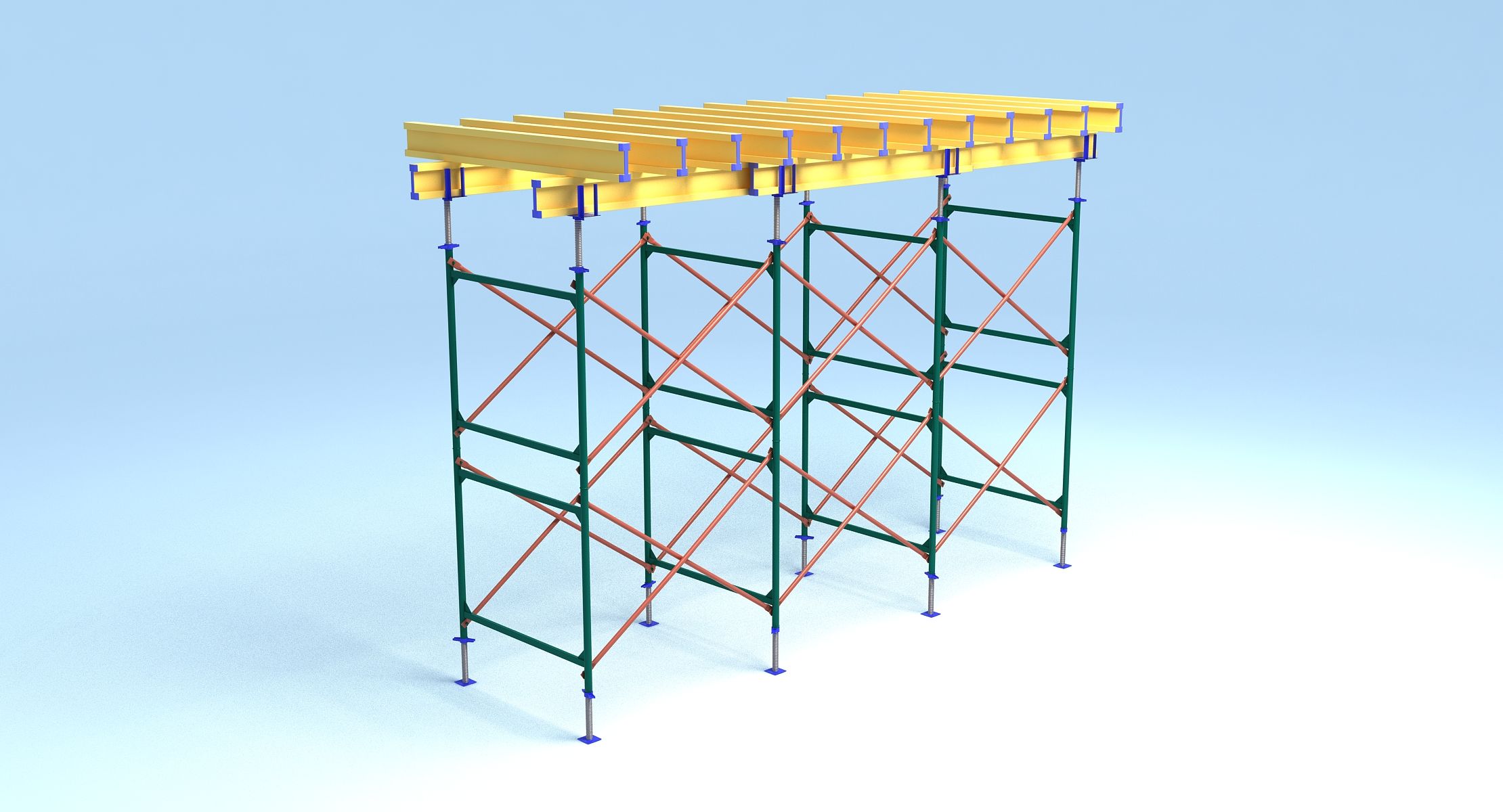
An additional vital technique is to consistently examine the formwork for indicators of wear or damage. Continuous surveillance can recognize concerns such as contortion, leak, or damaging that can compromise the formwork's stability. Inspections should be performed in the past, throughout, and after the concrete pour, allowing for immediate corrective actions if necessary.
Moreover, correct supporting and shoring techniques must be employed to give added support for the formwork. This makes sure stability under the weight of the damp concrete and lessens the danger of collapse. Picking a suitable supporting system customized to the job demands is vital for secure procedure.
Upkeep is equally crucial. Cleaning and preserving the formwork components after each use can extend their life-span and enhance performance. For instance, getting rid of any concrete deposit prevents bonding issues throughout future uses.
Finally, implementing a checklist for examinations can improve the monitoring procedure. This checklist should cover every element of the formwork, helping to make certain absolutely nothing is ignored. Normal audits and assessments can ultimately enhance the quality of the job and make certain compliance with safety and security criteria.
Proper Alignment
Beam of light formwork is an essential element in the building procedure, ensuring that concrete frameworks maintain their designated shape and stability. Correct alignment is essential to attaining premium outcomes, as misalignment can bring about architectural weak points and boosted expenses as a result of revamp. Complying with ideal techniques for beam of light formwork aids guarantee security, efficiency, and precision throughout the building process.
Primarily, it is essential to conduct extensive site prep work. Make certain that the ground is degree and steady, as this structure will substantially affect the formwork's placement. Using string lines or laser levels can help in achieving specific dimensions for the beam's positioning.
When assembling the formwork, use high-quality products that can endure the stress of the concrete pour. Guaranteeing that the formwork is robust and sound reduces the danger of contortion during the curing process. In addition, protecting the formwork securely together protects against leakages and guarantees a consistent coating.
On a regular basis look for alignment throughout the configuration and before the concrete is put. Using leveling tools like laser degrees or level can help verify that each part is positioned appropriately. Modifications must be made right away if any kind of imbalances are identified.
When the formwork remains in area, it's critical to brace and sustain it sufficiently. This structural support helps maintain positioning throughout the curing procedure and protects against any kind of unplanned movement that can disrupt the concrete's shape.
Ultimately, keep track of the drying out and treating of the concrete. While it is important to keep the formwork in place till the concrete has actually gotten to appropriate stamina, mindful attention must also be paid to any possible settling or shifting during this period. As soon as the curing is full, carefully eliminate the formwork to ensure the integrity of the beam is preserved.
Use Vibrators
Beam formwork is an important element of construction that ensures the appropriate shaping and assistance of concrete beam of lights during the treating process. Carrying out best methods in making use of beam formwork, together with the reliable application of vibes, can significantly enhance the quality of concrete frameworks.
- Select High Quality Products: Usage top notch plywood or metal for formwork to make sure sturdiness and resistance to deformation.
- Accurate Dimensions: Take accurate measurements to make certain that the formwork is developed to the correct dimensions, avoiding any misalignment.
- Appropriate Installation: Guarantee that formwork is protected properly and lined up prior to pouring concrete to prevent motion during healing.
- Use Vibrators: Use vibes to get rid of air pockets and enhance the density of the concrete mix, ensuring also distribution of materials.
- Routine Evaluations: Conduct routine evaluations to recognize any kind of indicators of wear or damages in the formwork and do required repair work.
- Assistance and Bracing: Give ample assistance and supporting to the formwork to stand up to the weight of the put concrete without distortion or collapse.
- Timely Removal: Meticulously remove the formwork at the suitable time to preserve the honesty of the treated concrete and protect against damage.
By adhering to these ideal practices, specialists can ensure that beam formwork works, bring about top quality concrete beams that satisfy structural demands.
Effective Treating Methods
Effective beam of light formwork is important for making sure the structural honesty and durability of a building and construction task. Appropriate practices not only add to the top quality of the ended up product yet also improve security and efficiency throughout the building procedure.
Firstly, it is essential to choose the right materials for formwork. High-grade plywood or steel can provide the required strength and durability. The formwork ought to be developed to suit the particular dimensions and load estimations of the beam of light. Correct supporting of the formwork is likewise vital, as it prevents deformation during the concrete putting process.
Next, the installment of formwork must be made with precision. Make sure that the formwork is level and lined up precisely to achieve the right beam form and measurements. Using a laser degree can substantially improve accuracy. It's additionally essential to make certain there are no spaces in between the formwork panels to avoid dripping of the concrete combination.
When the formwork is set, reliable healing methods are crucial to the success of the concrete light beam. Healing involves keeping sufficient dampness, temperature, and time to allow the concrete to hydrate appropriately. Among the best methods is to cover the concrete with damp burlap or plastic sheeting immediately after positioning to keep moisture. Consistently misting the surface area with water can likewise aid keep a constant treating setting.
One more reliable healing approach is the application of treating substances that develop a membrane on the surface of the concrete, reducing dissipation. It is very important to use these products uniformly and as soon as the concrete surface has adequately set.
Ultimately, keeping proper treating for a sufficient period, typically at least 7 days for many concrete mixes, will certainly add to the beam's stamina and toughness. Keeping track of the curing process makes certain that the concrete achieves its full capacity before the formwork is gotten rid of.
By following these best techniques for beam formwork and reliable curing methods, building and construction projects can attain higher quality results while decreasing issues and maintaining architectural efficiency.
Precaution
Making certain the security of building workers and the honesty of frameworks is vital in any kind of structure job, especially when handling formwork for beams. Formwork works as a temporary mold and mildew that forms and sustains concrete till it cures and gains sufficient toughness. Carrying out efficient safety measures during the setup and elimination of formwork is vital to protect against accidents, shield workers, and preserve architectural top quality. Correct training, making use of strong materials, and adherence to safety protocols can substantially lower dangers and improve the general security of the building and construction site.
Personal Protective Equipment (PPE)
When constructing light beams, making certain security is extremely important to shield employees from hazards related to formwork. The use of suitable Precaution and Personal Protective Equipment (PPE) is crucial in creating a secure workplace. Secret safety practices consist of appropriate training, routine examinations of devices, and adherence to safety laws.
Personal protective tools ought to include construction hats, safety and security goggles, gloves, and steel-toed boots to guard against prospective injuries from dropping things or slips. Harnesses and fall protection systems are also critical when operating at elevations, especially throughout the installation and removal of formwork. Furthermore, workers ought to be furnished with high-visibility apparel to improve their presence on website.
Routine security rundowns can assist strengthen the value of PPE usage and advertise a culture of safety and security among employee. Making use of formwork systems that are sound and correctly kept decreases threats associated with structural failure. On the whole, focusing on safety measures and making use of PPE in formwork for light beams not just safeguards workers but additionally improves effectiveness and efficiency at work site.
Website Monitoring
Reliable safety measures and website management are essential components in the building and construction procedure, particularly when managing formwork for beam of lights. Proper preparation and implementation can considerably lower dangers connected with operating at elevations and taking care of heavy materials.
First and foremost, it is essential to perform a detailed risk analysis before commencing any kind of job. Identifying prospective risks related to using formwork, including tools failure, drops, and product instability, permits the application of suitable control procedures. Making certain that all employees are educated and accustomed to safety and security protocols is important for lessening threat on the site.
When setting up formwork for beams, it is necessary to make use of just certified products that abide by safety guidelines. Normal examinations of the formwork system ought to be conducted to establish its security and stability before putting concrete. Any indicators of wear or damage must be resolved promptly to prevent accidents.
Execution of safety steps such as guardrails, toe boards, and safety nets can additionally improve employee security during the building and construction process. Making certain that all employees put on appropriate personal safety equipment (PPE), including helmets, gloves, and uses when essential, is likewise vital in preserving a safe workplace.
Efficient communication and control amongst team members play a substantial role in website management. Daily instructions can aid reinforce the relevance of precaution and keep everybody informed regarding ongoing tasks and prospective dangers. Moreover, developing a clear pecking order enables swift decision-making in situation of emergencies.
Lastly, keeping a tidy and orderly worksite adds to total security. Proper storage space of materials and equipment assists avoid stumbling dangers and ensures that workers can move safely around the website. Carrying out these precaution and reliable site administration strategies is essential for the effective and safe and secure building of beam formwork.
Emergency Treatments
Making sure safety and security during the building of beam of lights using formwork is essential to secure both employees and the integrity of the framework. Correct precaution have to remain in area to minimize the danger of accidents and make certain conformity with sector regulations.
Before commencing any kind of deal with formwork, carry out a complete risk assessment to determine possible risks related to the job. This evaluation should cover equipment usage, material handling, and ecological factors. All workers ought to be educated on these threats and comprehend the relevance of making use of individual protective devices (PPE), such as helmets, handwear covers, and steel-toed boots.
Emergency procedures play an essential duty in taking care of unexpected events. Establish clear communication methods to sharp employees in situation of an emergency situation, whether it be an architectural failing or a medical issue. Make sure that first aid kits are easily available on-site, and designate marked individuals that are learnt emergency treatment and CPR. Regular drills should be conducted to ensure every person understands their function in an emergency situation, from evacuating the location to getting in touch with emergency situation services.
On top of that, keeping the architectural honesty of the formwork is vital. Normal assessments ought to be done to look for any kind of signs of wear or damage. Workers ought to be advised to report any kind of issues right away. Proper setup strategies, such as making sure adequate supporting and securing all components, will help stop collapses or accidents.
Lastly, ensure that all employees are aware of and recognize the manufacturer's specs for the formwork system being utilized. This ensures that all safety protocols are complied with, leading to a much safer workplace and effective completion of the beam formwork task.
Conclusion and Future Fads
As the construction sector remains to evolve, the value of efficient formwork systems for beams has come to be significantly apparent. This crucial aspect not only ensures structural integrity but additionally affects general task performance and cost-effectiveness. To conclude, recognizing the existing patterns and innovations in formwork modern technology is important for accomplishing ideal outcomes. Looking in advance, numerous future trends are likely to form the landscape of beam of light building and construction, consisting of technologies in products, automation in formwork systems, and enhanced sustainability methods. These advancements guarantee to boost efficiency and adaptability in an ever-changing construction environment.
Technological Improvements
In conclusion, the future of formwork for beam of lights is positioned for substantial advancement driven by technical innovations. As building and construction methods progress, new materials and methods are being developed to enhance efficiency, safety, and sustainability in beam building. The combination of wise technologies and sustainable techniques within the formwork industry will likely play a crucial duty in shaping its future landscape.
- Enhanced use modular formwork systems for fast setting up and disassembly.
- Adoption of advanced materials such as light-weight compounds to minimize transport costs and enhance handling.
- Integration of electronic tools and Building Details Modeling (BIM) for boosted design and planning.
- Implementation of automation and robotics to improve the building process and improve precision.
- Concentrate on sustainability, with a shift in the direction of recyclable and green products for formwork.
- Growth of wise formwork systems outfitted with sensing units to keep an eye on structural integrity and improve safety.
Lasting Practices
In conclusion, the advancing landscape of formwork for beams mirrors a growing dedication to lasting methods within the building and construction market. As the need for environmentally friendly services rises, the integration of cutting-edge products and methods will certainly play a crucial role fit the future of formwork. By focusing on sustainability, building and construction jobs can decrease waste, lower carbon footprints, and improve total performance.
- Increased use reusable and modular formwork systems to minimize material waste.
- Adoption of lightweight, sturdy products that decrease transport expenses and energy consumption.
- Development of eco-friendly concrete solutions that boost the sustainability of light beam building and construction.
- Execution of electronic technologies for exact design, decreasing errors and product waste.
- Enhanced focus on lifecycle analysis to evaluate the ecological effect of formwork options.
As the construction sector remains to evolve, the patterns towards sustainability are most likely to obtain energy, prompting new advancements in formwork for beams that prioritize both performance and environmental obligation.
Market Trends
Finally, the formwork for beam systems is undertaking significant transformations driven by innovations in innovation, sustainability, and progressing construction approaches. These systems are ending up being more versatile, effective, and environmentally friendly, addressing the growing demand for premium building techniques. The fostering of digital tools and prefabrication techniques is helping companies simplify their operations, lower labor expenses, and enhance safety on task websites.
Future patterns in the formwork market are most likely to concentrate on cutting-edge products such as light-weight compounds and modular systems that promote quicker assembly and disassembly. The increasing focus on green structure techniques is expected to promote more green formwork options that lessen waste and promote using recycled products. In addition, the combination of wise technologies, including IoT gadgets and automation, will likely change just how formwork systems are designed and handled, enhancing total quality assurance and job effectiveness.
Moreover, the worldwide construction market's growth, particularly in developing regions, will certainly drive need for sophisticated formwork remedies. As urbanization continues to increase, the demand for reliable and reputable construction approaches will end up being vital. Business that can adapt to these fads and introduce accordingly will be well-positioned to prosper in the affordable landscape of the formwork for beam market.